
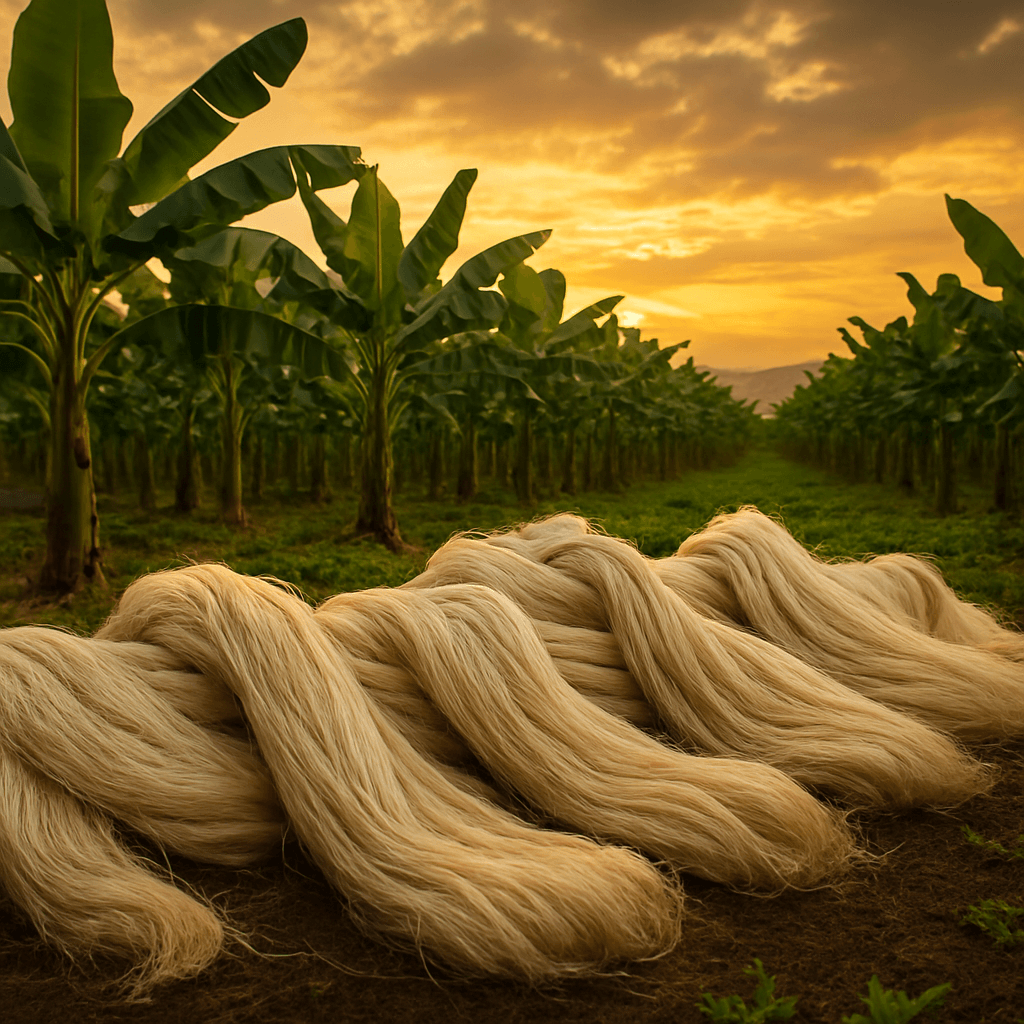
From synthetic
to sustainable:
natural fibers for the next generation of materials
Pacha Fibers connects industrial companies with reliable natural fibers and plant-based bioplastics from Latin America, ready to integrate into sustainable production processes.
Natural
Renewable & biodegradable
Reliable
Consistent, ready for industry
Sustainable
Lower impact, greater future
PACHA FIBERS LABS
Fibers from our land, for a better world.
We source and process natural agricultural fibers from Ecuador and Costa Rica, selected for their consistency and industrial performance.
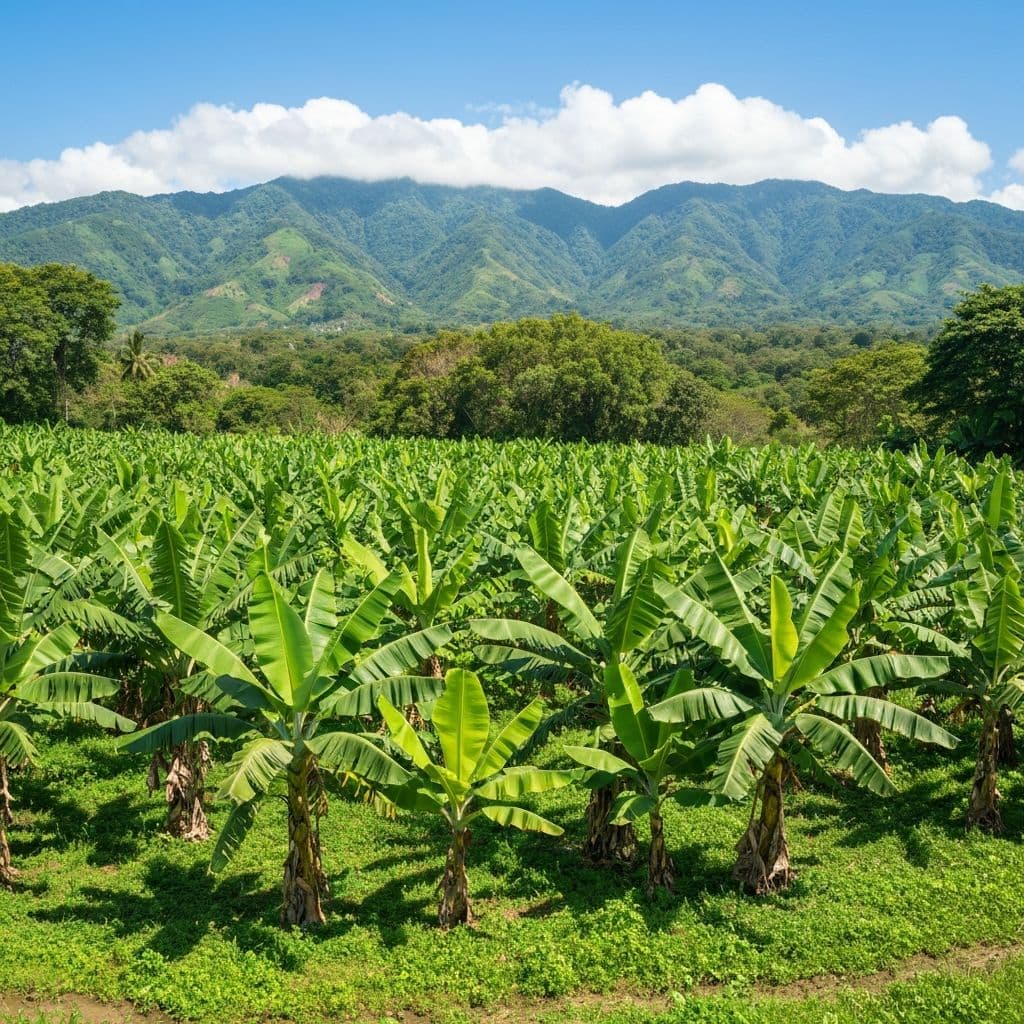
RESPONSIBLE ORIGIN
Network of producers in Latin America.
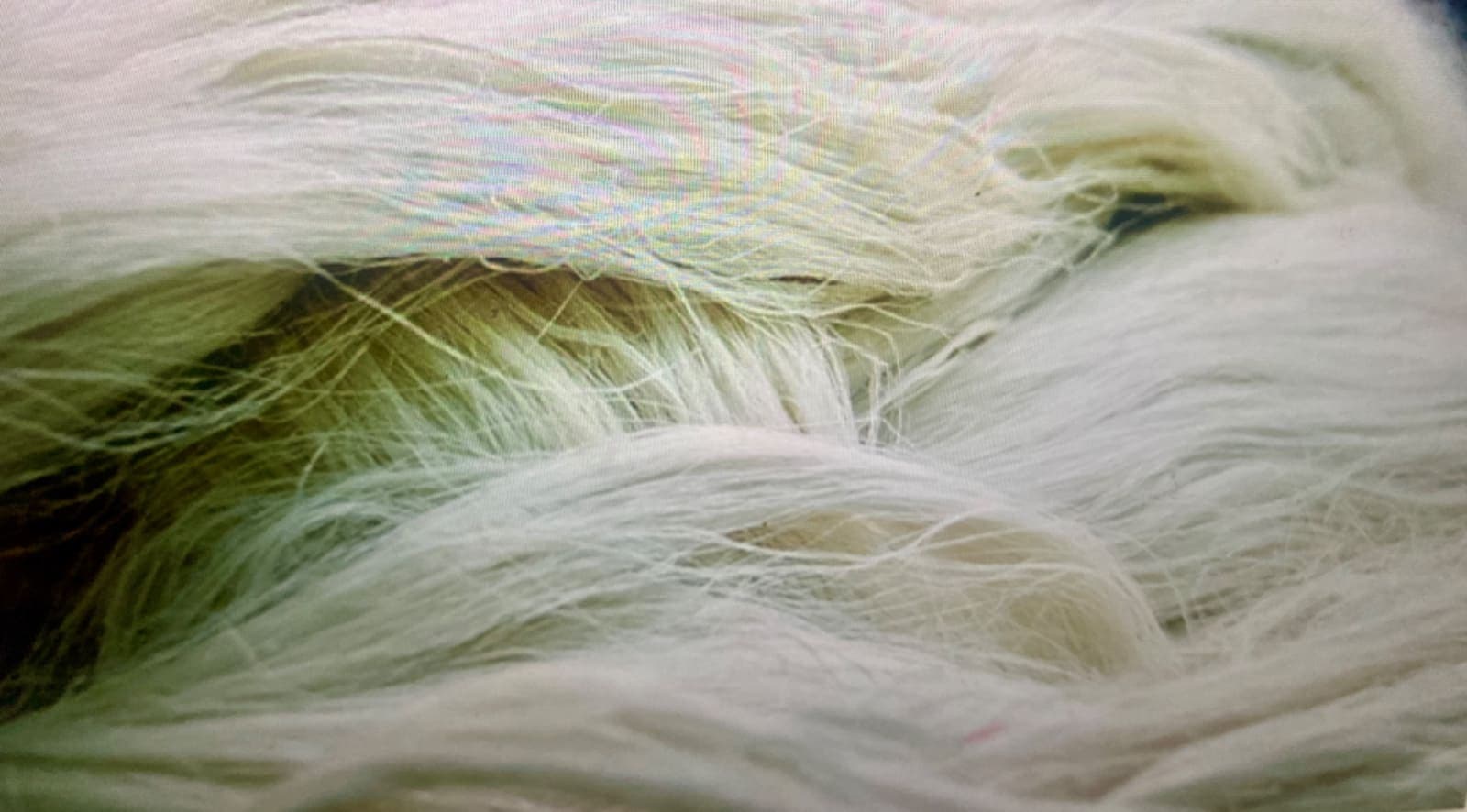
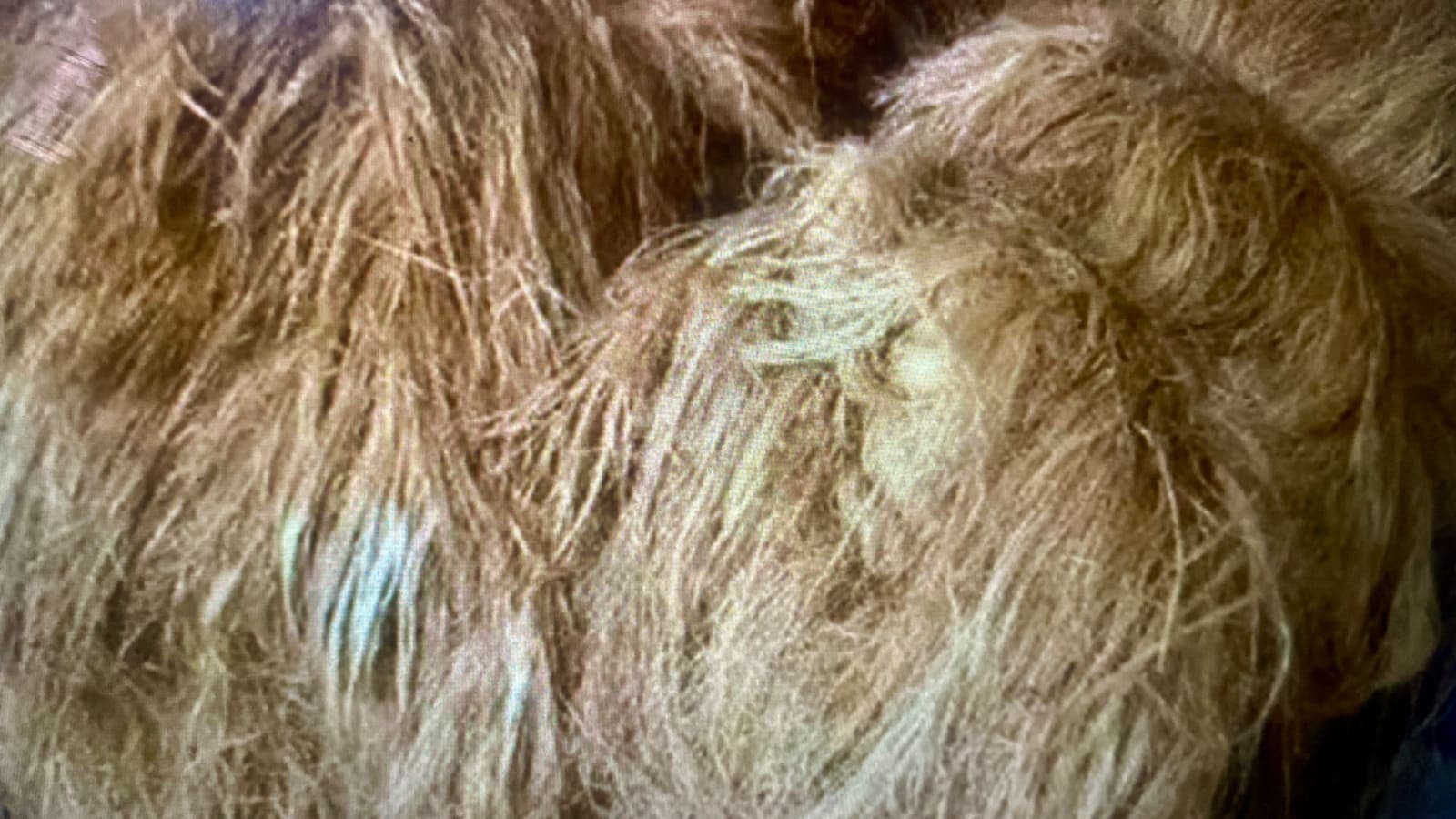
Our Products
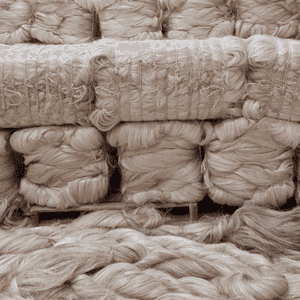
Bulk Abaca Fiber
Bales for pulp, paper and technical applications, available in grades 2, 3, 4 and 5.
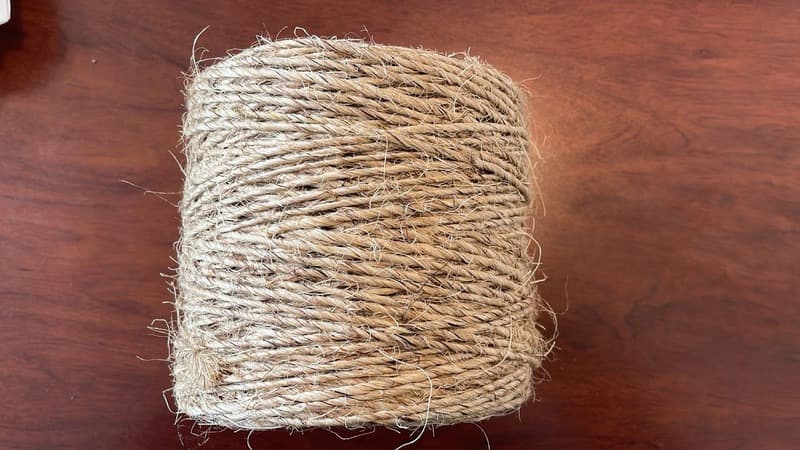
Abaca Yarn
Produced in Ecuador, consistent diameter for textile and industrial applications.
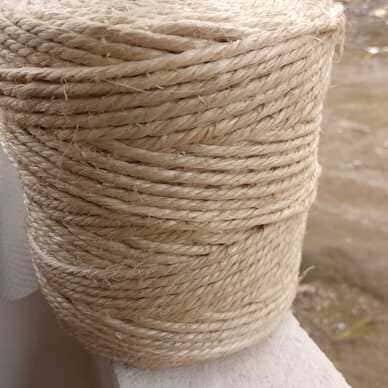
Abaca Ropes & Cords
High tensile strength, agricultural, marine and industrial use.
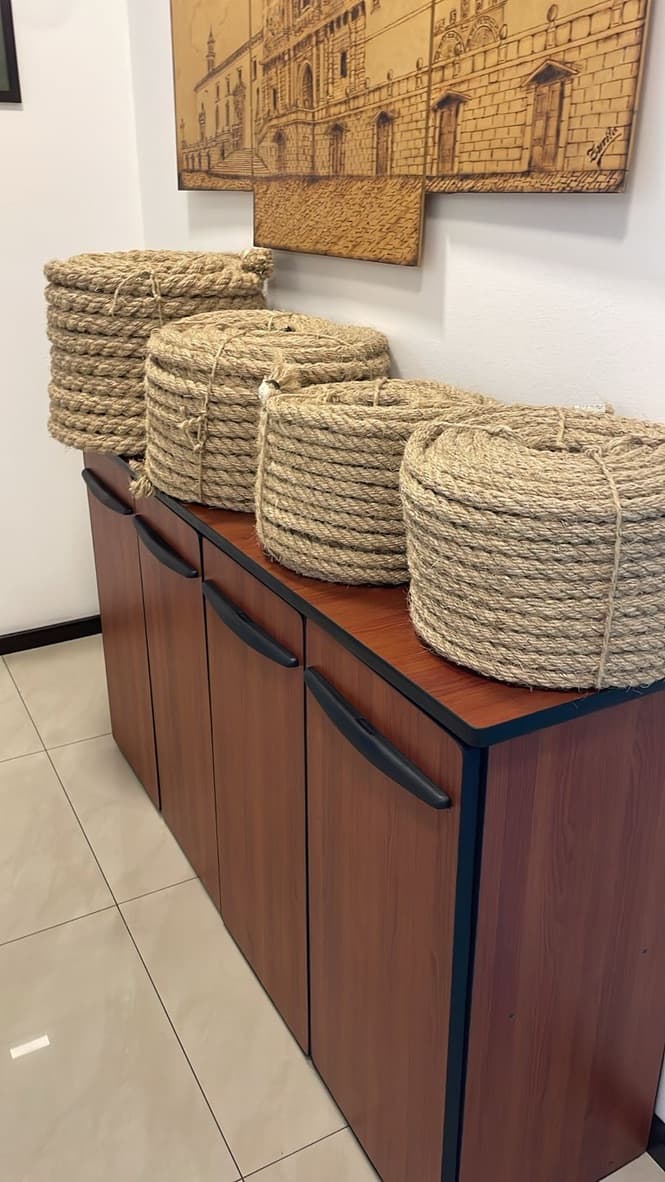
Abaca Cabo (Hawser)
Heavy-duty abaca cabo for marine, port and industrial mooring applications. Superior tensile strength.
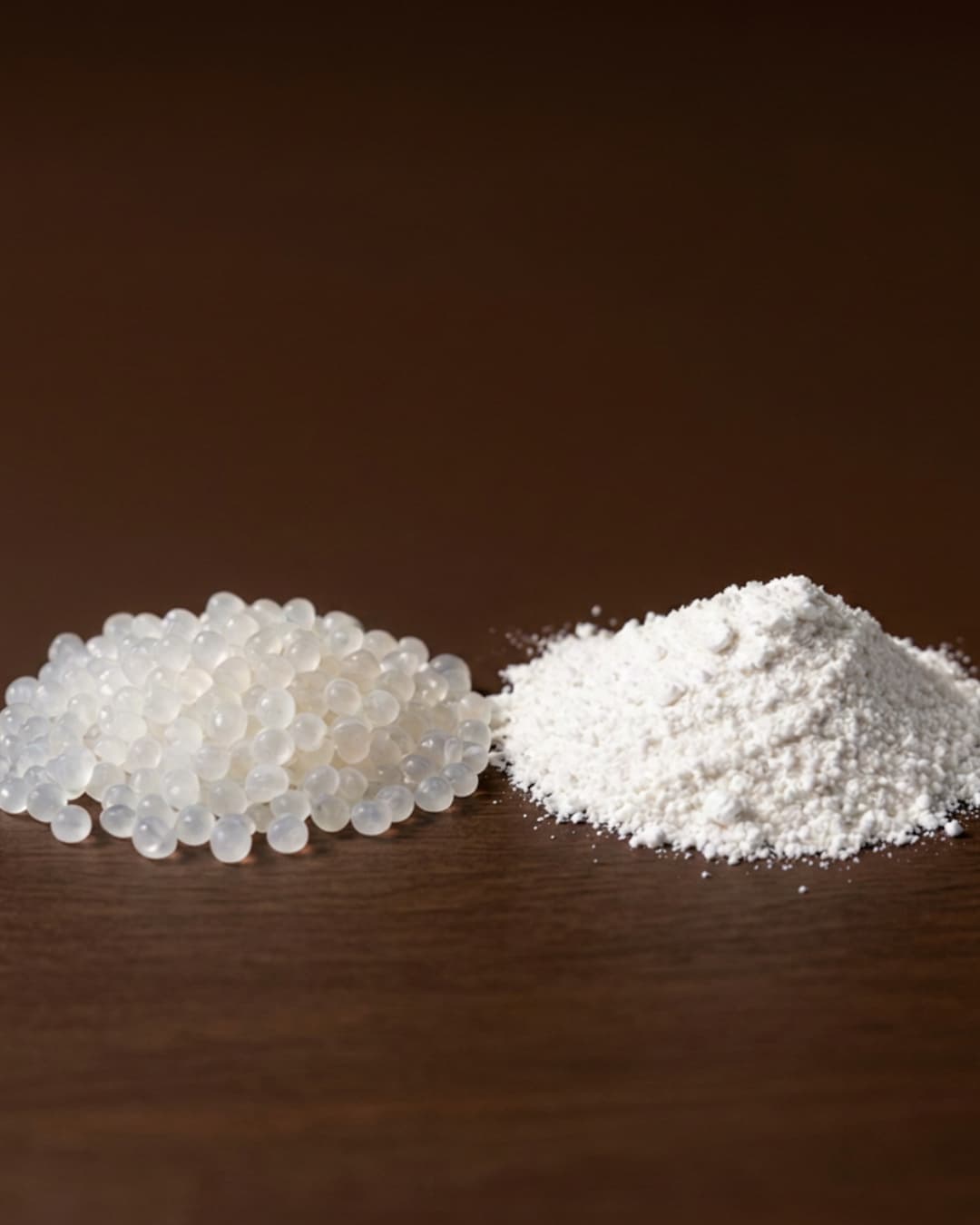
PHB Biopolymer (Polyhydroxybutyrate)
Natural, biodegradable biopolymer produced by bacterial fermentation. Purity 93%, available as powder or granules.
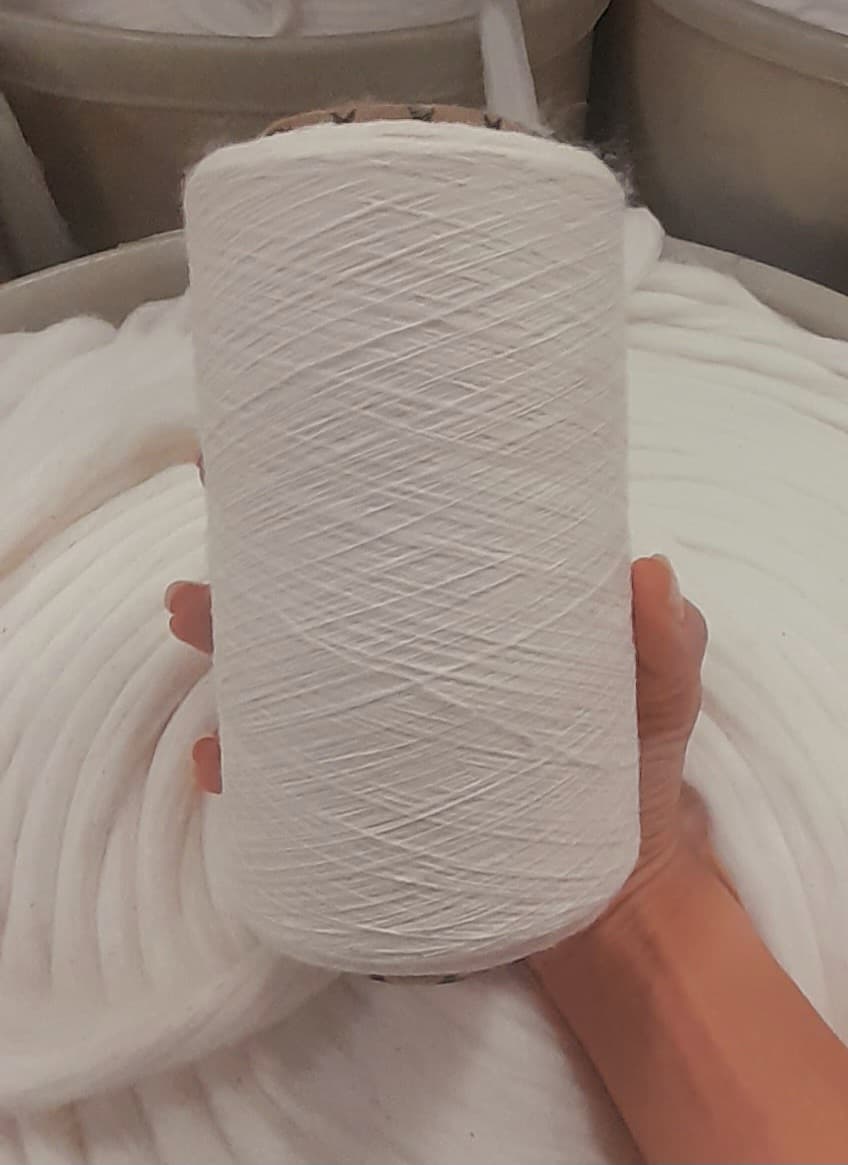
Pineapple Yarn Open-End NE16
Pineapple Yarn Produced in Guatemala, consistent diameter for textile applications.
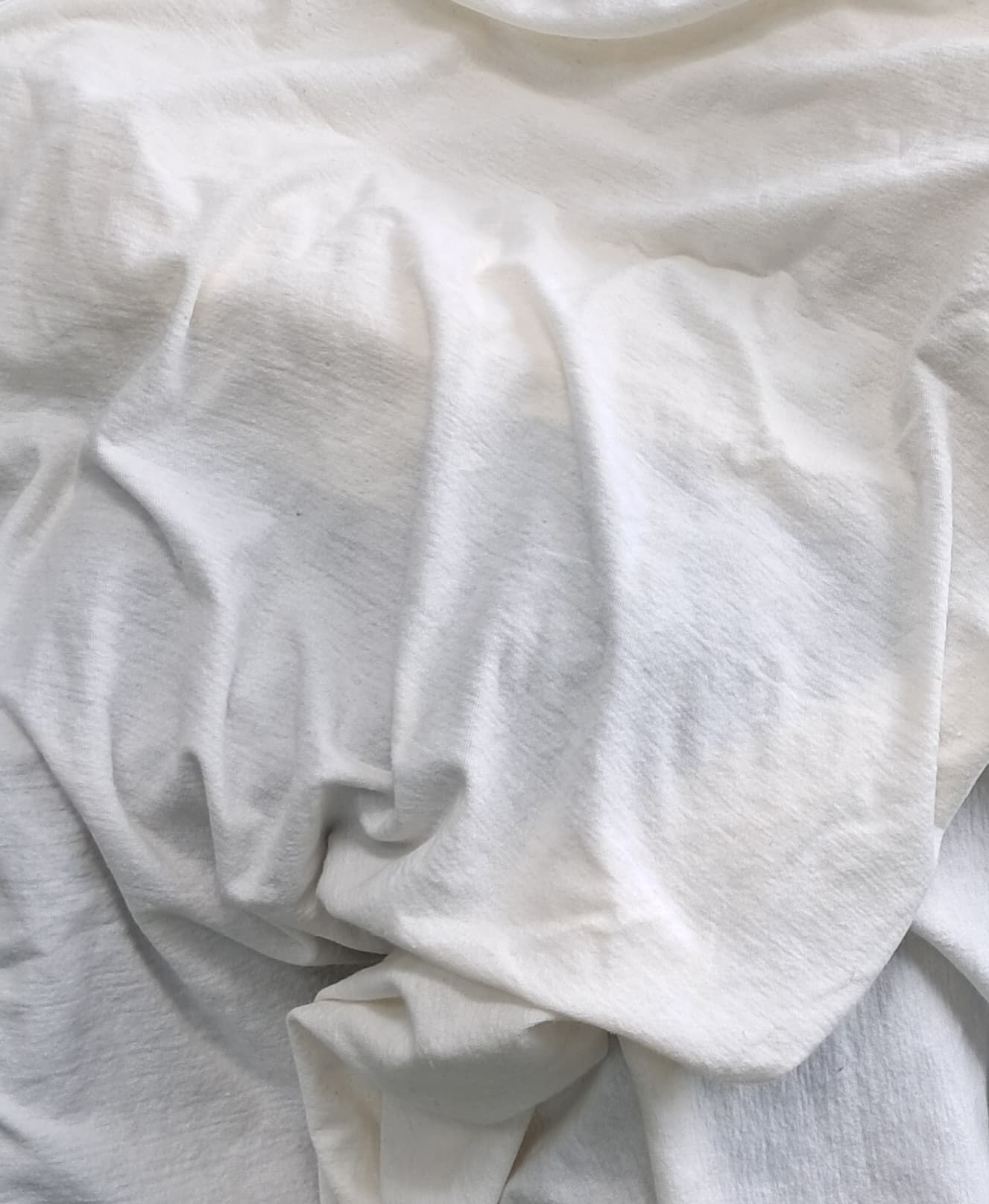
Pineapple Leaf Fiber Jersey Knit Fabric
Jersey Knit Fabric 100% natural fiber (pineapple & cotten blend) Undyed natural color Reduced agricultural waste burning Lower carbon footprint Breathable & lightweight Biodegradable
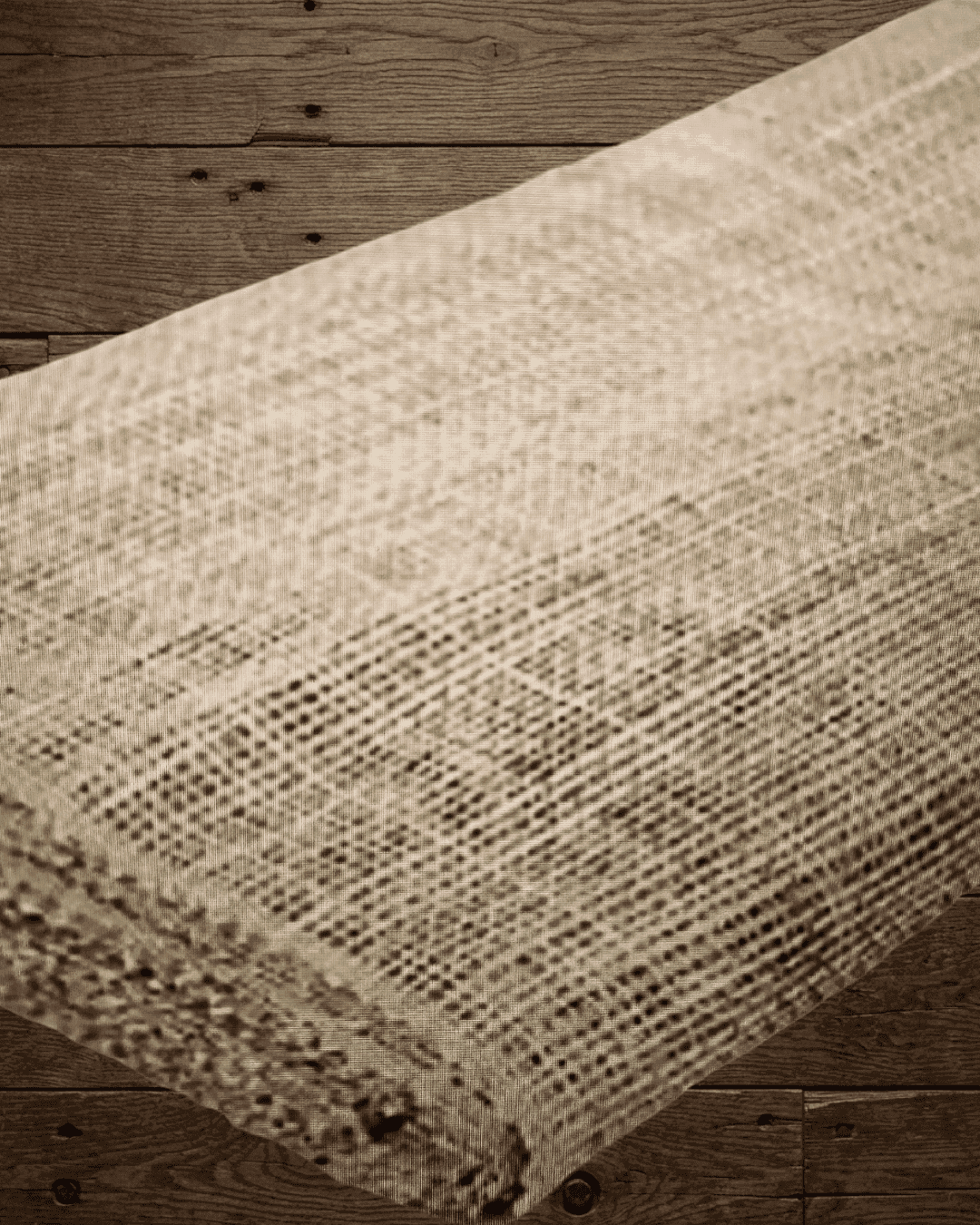
Rustic Fabric (Abaca Geotextile Blanket)
100% natural abaca geotextile blanket for erosion control, surface stabilization and revegetation. Rolls of 50m x 1.5m, density 490 g/m².
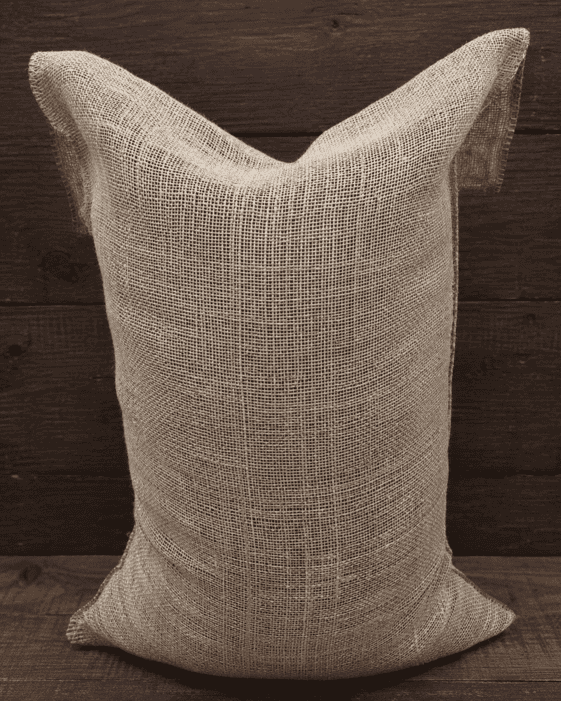
Abaca Agricultural Bags
Food-grade bags made of 100% natural abaca, woven to the IJO 98/01 standard. Biodegradable and food-safe.
Real alternatives. Natural solutions. Positive impact.
View All Products
Applications
Ver todasPulp & Special Paper
Textiles & Nonwovens
Construction & Reinforcements
Agriculture & Erosion Control
Marine Applications
Industrial Packaging
Mission
Accelerate the integration of natural fibers and bioplastics as real, scalable and reliable alternatives to conventional materials.
Collaboration
We support companies looking to:
- Replace synthetic inputs
- Reduce environmental impact
- Access natural fibers
- Access plant-based bioplastics
We offer supply, development and industrial integration.
Who are we?
Pacha Fibers connects the supply of natural fibers and plant-based bioplastics from Latin America with global industrial demand.
We focus on:
- Abaca fiber and derivatives
- Complementary fibers
- Bioplastics
- Development of sustainable solutions
Contact
- info@pachafibers.com
- Argentina
- Ecuador
- Costa Rica
- WhatsApp +54 11 3108 5854
Frequently Asked Questions
Abaca fiber is used across many industries including pulp and paper (currency notes, teabags, specialty paper), textiles and nonwovens, construction reinforcement, marine ropes, agricultural bags and industrial packaging. Its exceptional strength, saltwater resistance and biodegradability make it ideal for demanding applications.
Yes. Abaca fiber is commonly known as banana hemp because it comes from a plant in the banana family (Musa textilis). Despite the name, it is not related to cannabis hemp. It is prized industrially for its long, strong fibers and natural durability.
Pacha Fibers sources its natural fibers from a responsible network of agricultural producers in Ecuador and Costa Rica, two of the world's most important regions for high-quality abaca fiber production.
Absolutely. Abaca fiber is one of the premier raw materials for specialty pulp and paper. Its long, strong cellulose fibers produce high-quality paper used for currency, tea bags, filter paper, coffee pods and premium specialty papers.
In many applications, yes. Natural fibers such as abaca offer comparable or superior performance to synthetic fibers in terms of tensile strength, durability and weight, while also being renewable, biodegradable and lower-impact. Pacha Fibers works with industrial partners to facilitate this transition.
Yes. All Pacha Fibers natural fibers, including abaca, pineapple fiber and banana fiber, are naturally biodegradable and renewable. Our PHB bioplastics are also designed to be biodegradable under the right conditions.
Yes. Pacha Fibers is specifically positioned to serve international industrial buyers, especially from the United States, Europe and other global markets looking to integrate Latin American natural fibers into their supply chains.
You can use the contact form on this website, send a WhatsApp message to our team, or email us at info@pachafibers.com. Include the product of interest and your application, and our team will respond promptly.